On the morning of 23 January 1909, a wages snatch outside a rubber factory on Tottenham High Road escalated into a six-mile gun battle that left two dead, twenty-three wounded, and British policing fundamentally altered.
The Robbery on Chesnut Road
At approximately 10:30 am, two Latvian immigrants, Paul Helfeld and Jacob Lepidus, lay in wait outside the Schnurmann rubber factory at the corner of Tottenham High Road and Chesnut Road, directly opposite Tottenham Police Station. When chauffeur Joseph Wilson and seventeen-year-old office boy Albert Keyworth emerged carrying £80 in wages, Lepidus seized Keyworth while Helfeld fired at Wilson. Though Wilson escaped injury, the gunshots alerted Police Constables William Tyler and Newman, who gave chase down Chesnut Road.
George Smith, a passer-by, tackled Lepidus to the ground, but Helfeld fired four shots at Smith, grazing his scalp and striking his collarbone. The criminals broke free and fled toward Tottenham Marshes, with police and civilians in pursuit.
The Chase Across Tottenham Marshes
The pursuit crossed Tottenham's industrial landscape. The criminals scrambled across railway lines and followed the west bank of the River Lea, holding off pursuers from Stonebridge Lock before pressing on through the Banbury Reservoir area. The chase traced a path through Tottenham's periphery: from factory district to marshland, canal towpath to reservoir bank.
Near a rubbish incinerator on the marshes, PC Tyler confronted the pair. According to witness accounts, Tyler called out, "Come on; give in, the game's up." Helfeld responded by shooting Tyler at a range of nine yards. The bullet passed through Tyler's head; he died five minutes after arriving at Tottenham Hospital. Ten-year-old Ralph Joscelyne, watching the pursuit, was shot in the chest and died on arrival at hospital.
The Tram Pursuit Through Chingford Road
The criminals' escape grew desperate. At Chingford Road, they hijacked a number 9 tram of the Walthamstow Corporation, forcing the conductor to drive at gunpoint. Police commandeered a second tram, cramming forty officers and civilians aboard, and reversed down the tracks in pursuit. The tram eventually overturned, forcing the fugitives to steal first a milk float, then a grocer's cart.
Abandoning the cart near the River Ching, the pair separated. Lepidus climbed a fence into the grounds of what is now Walthamstow Cemetery, while Helfeld, too exhausted to continue, shot himself in the head. The bullet entered half an inch above his right eye and exited his forehead. Captured alive, he was taken to Tottenham Hospital, where he died on 12 February 1909 from meningitis following surgery.
Lepidus found temporary refuge in Oak Cottage, a small two-up two-down in Hale End, where he held Mrs Rolstone's children hostage. When police broke in, Lepidus shot himself and died minutes later.
A Public Funeral and Rising Tensions
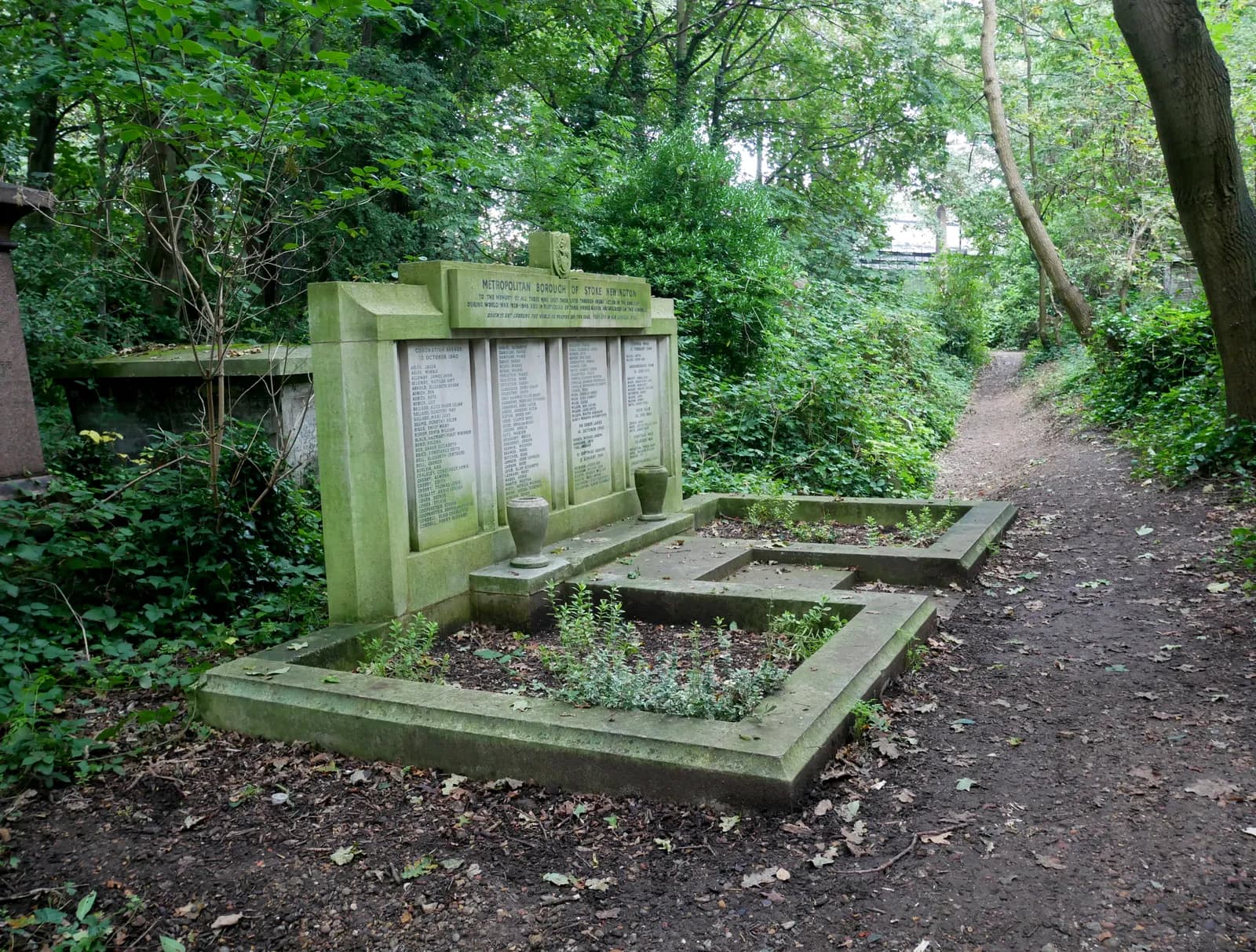
The joint funeral of PC Tyler and Ralph Joscelyne took place on 29 January 1909. Metropolitan Police Commissioner Sir Edward Henry and Home Office Under-Secretary Herbert Samuel attended. The procession stretched two and a half miles, lined by two thousand police officers. An estimated half a million mourners watched as white-plumed horses drew Joscelyne's coffin and black-plumed horses carried Tyler's, both draped with Union Jacks. Police bands, tramway employees, and the Royal Garrison Artillery joined the escort. The pair were buried near each other at Abney Park Cemetery in Stoke Newington.
The press coverage inflamed anti-immigrant sentiment. The Times described Whitechapel as harbouring "the worst alien anarchists," while a French anarchist newspaper praised Helfeld and Lepidus as "our audacious comrades." The incident intensified debate over the Aliens Act 1905, with the Daily Mail attacking it as insufficiently restrictive.
Reforming the Force
The Outrage directly triggered institutional change. On 7 July 1909, King Edward VII issued a Royal Warrant establishing the King's Police Medal specifically to recognise the bravery of officers involved in the Tottenham pursuit. The London Gazette of 9 July 1909 announced the warrant; first recipients included PCs Eagles, Cater and Dixon, who had broken into Oak Cottage to confront Lepidus. Three officers were promoted to sergeant without the usual examination, and seven received financial awards from the Bow Street Court Reward Fund.
Sir Edward Henry established a board to review police firearms. The board examined whether the standard-issue .450 Webley Revolver was suitable and whether sufficient numbers had been issued to officers. The review recommended replacing the Webley with a Colt Automatic pistol, though this specific proposal was not implemented. Instead, the Metropolitan Police adopted the Webley & Scott .32 calibre MP semi-automatic pistol in 1911; the City of London Police followed in 1912.
The reforms came too late for the Houndsditch murders of December 1910 and the Sidney Street siege of January 1911, when police again faced armed Latvian revolutionaries with inadequate weaponry.
Memorials in Tottenham Today
The victims are remembered at multiple sites. A Grade II listed monument to PC Tyler stands at Abney Park Cemetery, erected at a cost of £200 paid by the Metropolitan Police. A cross is carved into the wall near the rubbish incinerator where Tyler was shot. A blue plaque marks the spot where Ralph Joscelyne fell, mounted on the Church of the Good Shepherd in Tottenham. Inside Tottenham Police Station, a plaque commemorates PC Tyler's sacrifice. Waltham Forest Council has placed a plaque at the approximate site of Oak Cottage.
Tyler's widow received £1,055 in public donations, equivalent to roughly £108,574 in 2025 terms, though she was granted only interest on this sum plus an annual £15 widow's pension.
The Tottenham Outrage remains one of the most dramatic police pursuits in British criminal history, its six-mile course tracing a line through the area's industrial and residential landscape while leaving a lasting mark on how British police are armed, honoured, and remembered.